
USPAP-COMPLIANT APPRAISALS
Deconstruction Appraisal
Deconstruction appraisal services for charitable donation covering salvaged building materials, architectural salvage, and reclaimed fixtures, prepared in accordance with USPAP. Landmark Deconstruction Appraisers values doors, windows, flooring, hardware, and architectural elements removed from residential, commercial, and multifamily properties nationwide.
- USPAP-compliant Form 8283 support
- Audit-defensible fair market value
- Flat fees, fully independent
APPRAISAL PURPOSES
Landmark Deconstruction Appraisers Offers Deconstruction Appraisals for IRS Charitable Donations & Tax Filings
Landmark Deconstruction Appraisers delivers USPAP-compliant fair market value assessments for salvaged building materials and architectural components. From renovation and redevelopment projects, our appraisals are prepared to meet IRS documentation requirements and support your financial and philanthropic goals.
Residential Deconstruction
Fair market value assessments of building components, fixtures, and materials from homes undergoing renovation, remodel, or teardown. Supports estate planning, insurance, and donation documentation.
Commercial & Multifamily
Valuation of salvageable materials and architectural elements from commercial buildings, hotels, and multifamily properties slated for demolition or redevelopment.
Architectural Salvage
Expert appraisals of high-value salvage including doors, windows, flooring, fixtures, hardware, and decorative architectural elements recovered from deconstruction projects.
Get Your Deconstruction Appraisal
Landmark Deconstruction Appraisers prepares USPAP-compliant fair market value reports for donated building materials and architectural salvage. Audit-defensible documentation for IRS Form 8283 charitable deductions.
GUIDES
Landmark Deconstruction Appraisers Publishes Guides on Building Materials Donation and IRS Form 8283
Claiming a charitable deduction for donated building materials starts with understanding the tax rules that govern it. Our deconstruction appraisal guides explain how to donate deconstructed materials to a nonprofit reuse center, when the $5,000 threshold triggers a qualified appraisal, and how to complete IRS Form 8283 for salvaged doors, windows, flooring, cabinetry, and architectural elements. Each guide is written to help homeowners, developers, and their tax advisors document a donation that holds up to IRS scrutiny.
Guides
Deconstruction Appraisal & Building Materials Donation Guides
Practical guides on valuing donated building materials, meeting IRS Form 8283 requirements, and preparing an audit-defensible deconstruction appraisal.
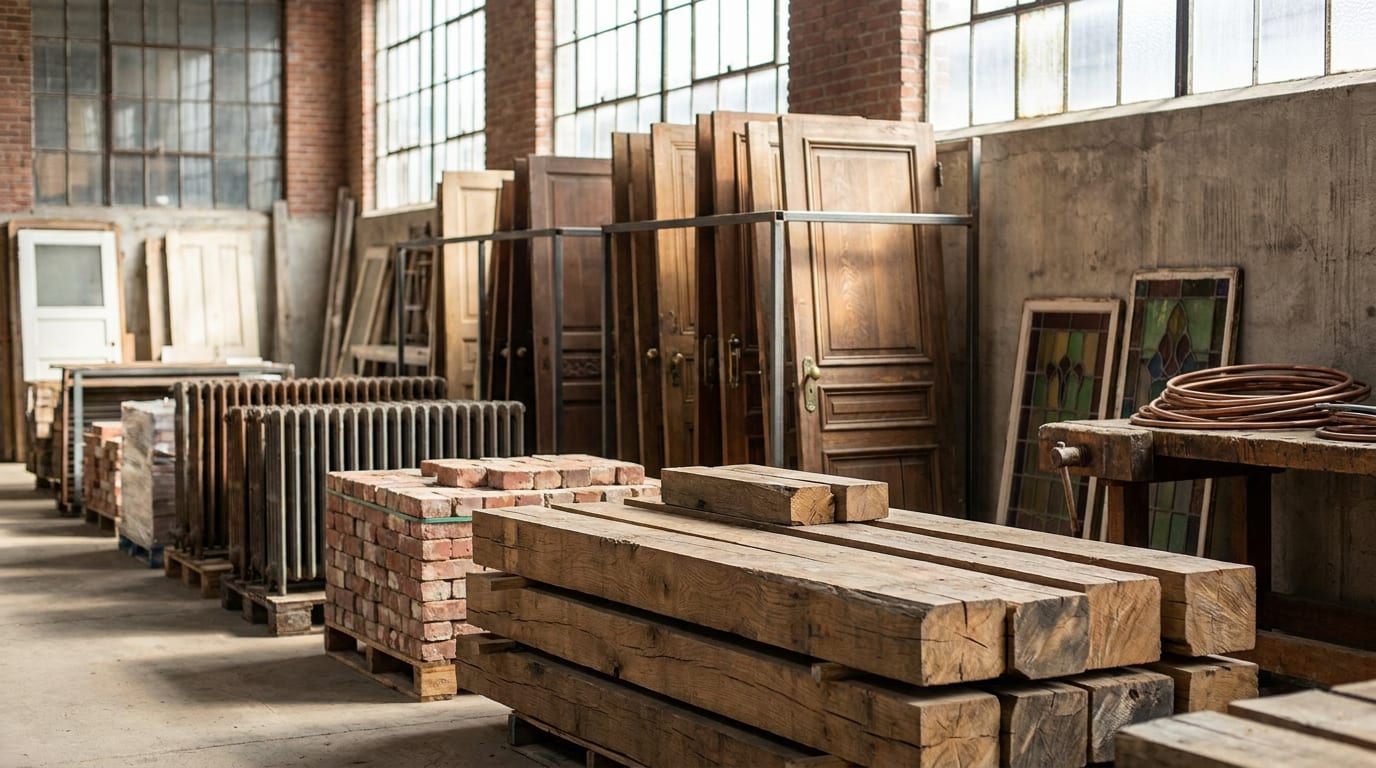
Why a Real Estate Appraiser Isn't a Qualified Appraiser for Building Material Donations
A real estate license does not make someone a qualified appraiser for a deconstruction donation. Here is what the IRS actually requires, and why salvage valuation is a different discipline from appraising land and structures.
Read more →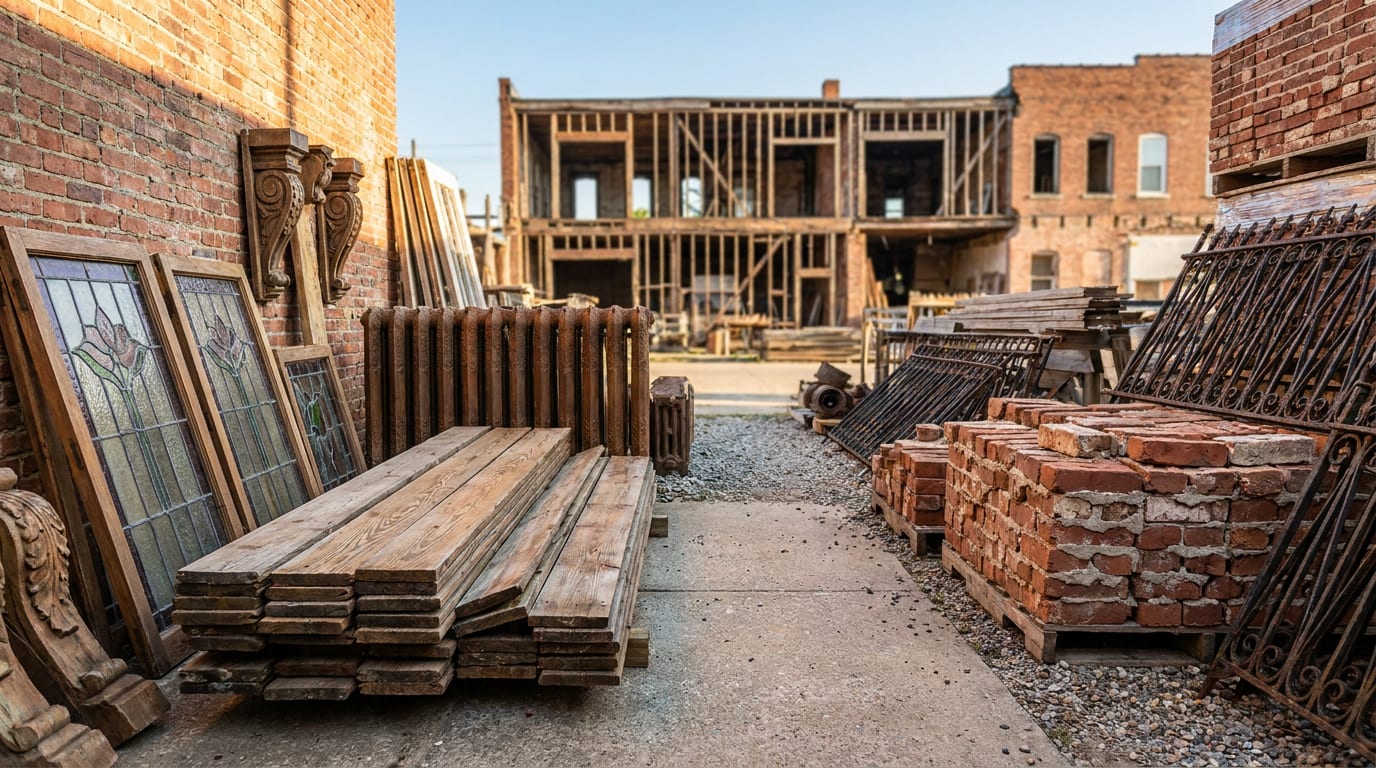
Historic Building Deconstruction and Donation Tax Deductions: What Owners Should Know
Donating materials salvaged during a historic building deconstruction follows the same IRC Section 170 noncash contribution rules as any other personal property gift, not a special preservation deduction. This guide explains the substantiation ladder, the appraisal standards that apply, and why a materials donation is a different strategy than a facade easement.
Read more →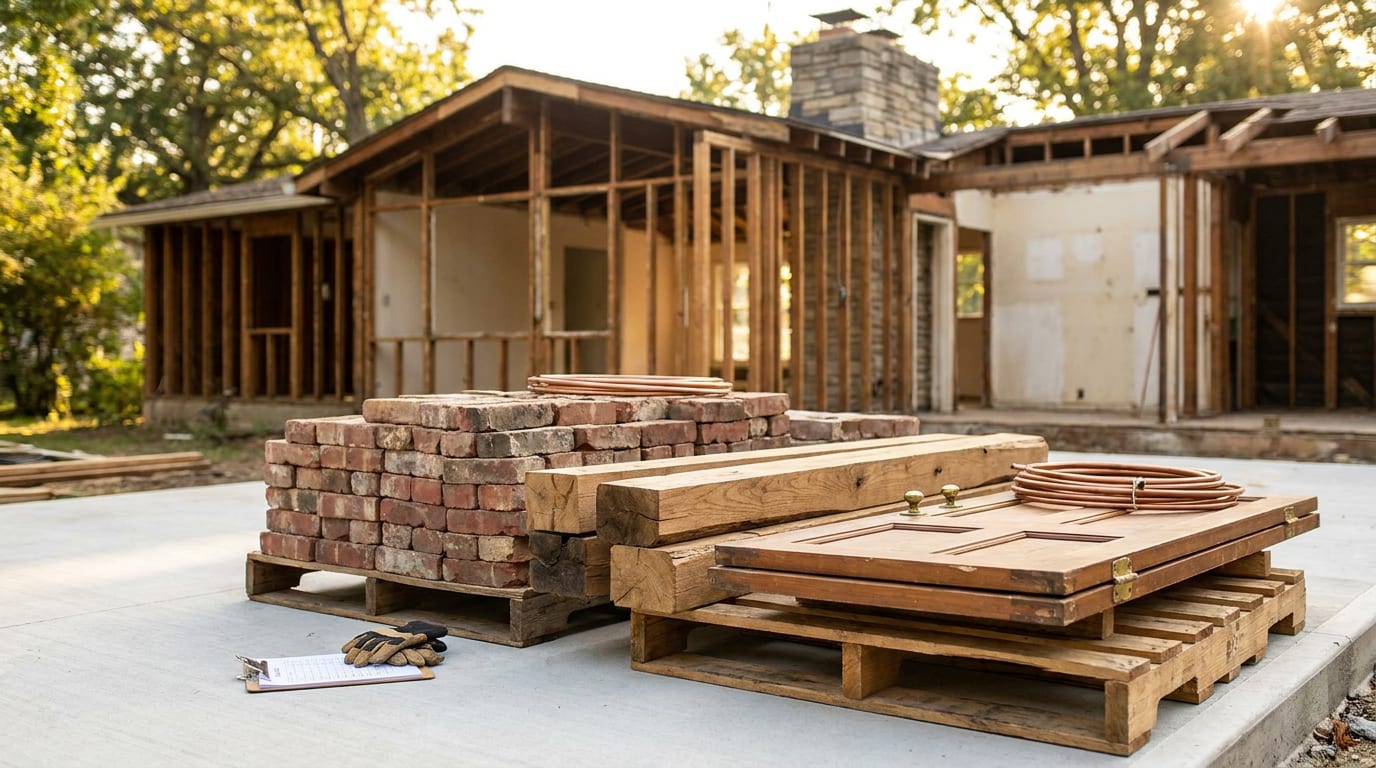
Can You Deduct Demolition Costs and Labor Along With Donated Materials?
No, you cannot deduct demolition, hauling, or labor costs as part of a building materials donation. Only the fair market value of the materials themselves qualifies, and this guide shows exactly how that number is calculated and documented.
Read more →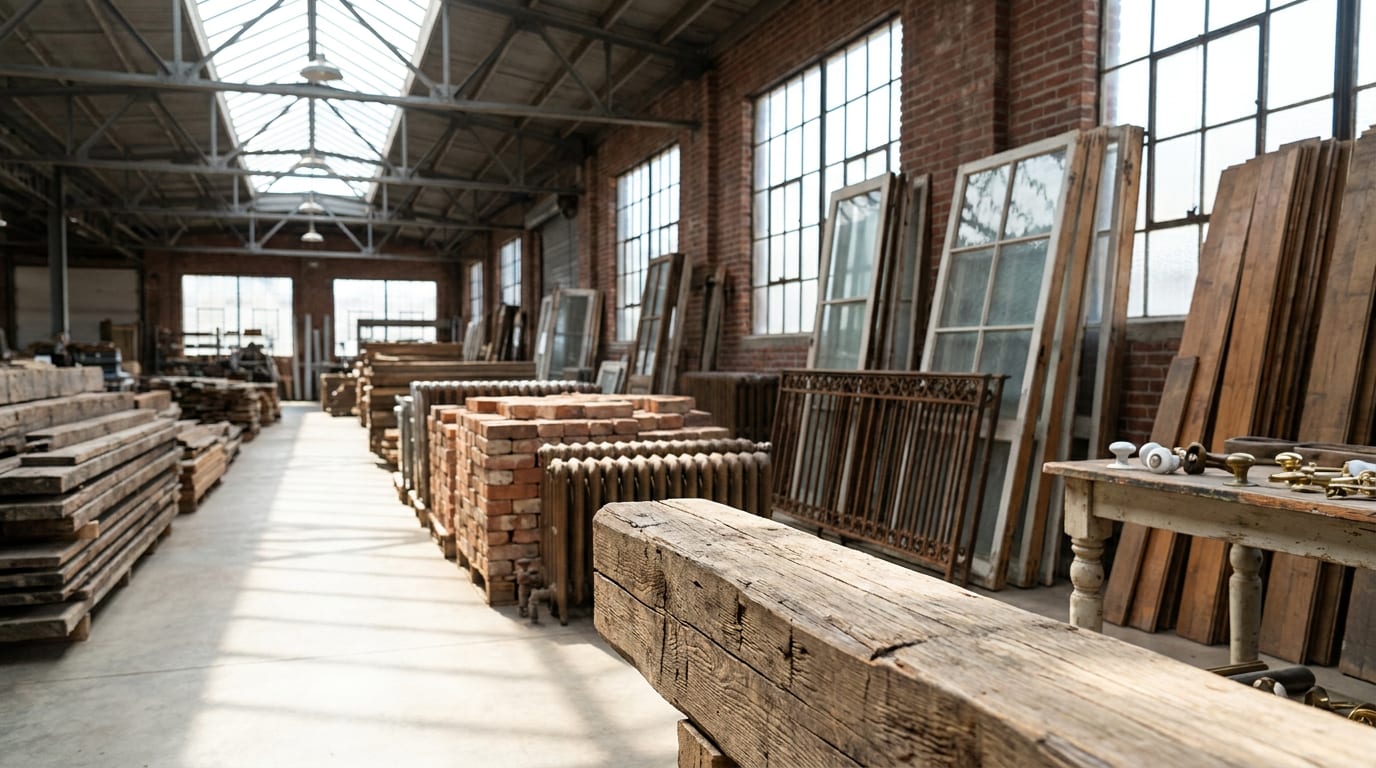
How Fair Market Value Is Determined for Salvaged Building Materials Donations
Fair market value for donated salvaged building materials comes from actual resale prices in the architectural salvage and reuse market, adjusted for condition, not from replacement cost or a contractor's retail markup. Here is how the Mann case and IRS Publication 561 define the correct method, and what it means for your deduction.
Read more →
How to Complete Form 8283 for a Building Materials Donation Over $5,000
Donating deconstructed building materials worth more than $5,000 means filing Section B of Form 8283, correctly split between donor, appraiser, and donee signatures. This guide walks through every part of the form and the mistakes that draw IRS scrutiny.
Read more →
Do You Need a Qualified Appraisal for Building Material Donations Over $5,000?
A qualified appraisal becomes mandatory once your claimed deduction for donated building materials, whether one item or a group of similar items, crosses $5,000. This guide explains the aggregation rule, the required paperwork, and the penalties for skipping the appraisal.
Read more →
How to Donate Deconstructed Building Materials and Claim a Tax Deduction
Donating deconstructed lumber, cabinets, doors, and fixtures to a qualified reuse organization can unlock a real tax deduction, but only if the donation, receipt, and appraisal happen in the right order. This guide walks homeowners through the $5,000 qualified appraisal threshold, Form 8283 Section B, and the sequencing rules that protect a building materials donation deduction.
Read more →
FAQ
Frequently Asked Questions
What is a deconstruction donation appraisal?
A deconstruction donation appraisal is a USPAP-compliant valuation of building materials and architectural salvage removed from a structure and donated to a nonprofit reuse organization. The appraisal establishes the fair market value of the donated items, which supports your charitable contribution deduction on IRS Form 8283 and provides the documentation needed for tax reporting and audit defense.
Who needs a deconstruction appraisal?
Homeowners planning a gut renovation or teardown, real estate developers redeveloping sites, owners of commercial or multifamily properties slated for demolition, and anyone donating deconstructed materials to a nonprofit reuse center or Habitat ReStore all benefit from a professional appraisal. If you're claiming a charitable deduction for donated materials, an independent appraisal is essential for IRS compliance.
How is fair market value determined for salvaged building materials?
Fair market value reflects what a willing buyer would pay a willing seller for the materials in the open market, considering condition, demand at local reuse centers, and comparable sales data. Our appraisers evaluate the specific materials on site, document their condition and quantity, and research current market pricing to arrive at a defensible valuation prepared in accordance with USPAP.
What makes an appraisal audit-defensible?
An audit-defensible appraisal is thorough, well-documented, and prepared by an independent, credentialed appraiser following professional standards. Our reports include detailed descriptions of the materials appraised, the valuation methodology, comparable market data, and the appraiser's credentials and qualifications, providing clear support for your charitable deduction claim.
How does Landmark Deconstruction Appraisers remain independent?
We are fully independent appraisers with no financial interest in the demolition, deconstruction, or donation process. We do not perform the deconstruction work, partner with specific contractors, or benefit from the outcome of the appraisal, ensuring our valuation is objective and defensible.
How are your fees structured?
We charge flat fees for deconstruction appraisals, quoted in advance based on the scope of the project. There are no hourly charges, contingent fees, or surprise costs. You know the cost before we begin.